From Fitness Craze to Noise Dispute: Pickleball Sparks Controversy in Vietnam
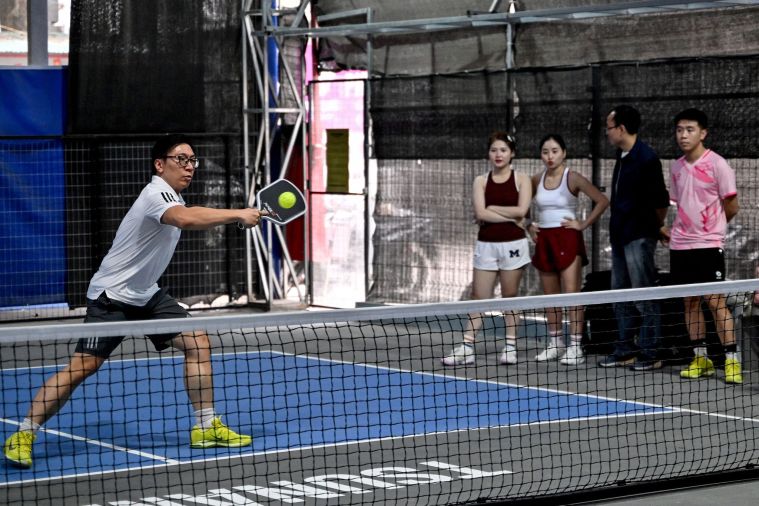
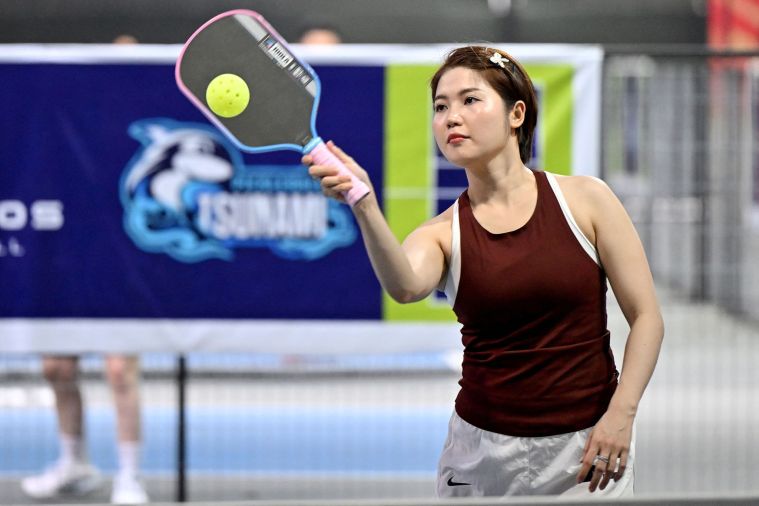
Caption: In Hanoi, Vietnam, a man plays pickleball at a recreational court in a residential area.
In recent years, pickleball, a sport combining elements of tennis, badminton, and table tennis, has surged in popularity across Vietnam. Easy to learn and flexible in terms of space, it has become a favorite leisure activity among urban residents in cities such as Hanoi and Ho Chi Minh City. In Hanoi alone, the number of pickleball courts has grown at a staggering pace, jumping from a few dozen to more than a hundred in less than a year, creating a dense network of courts across the city.
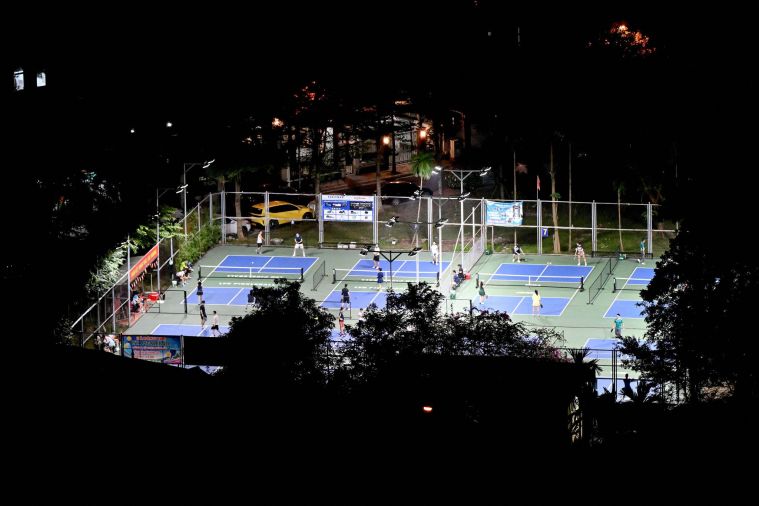
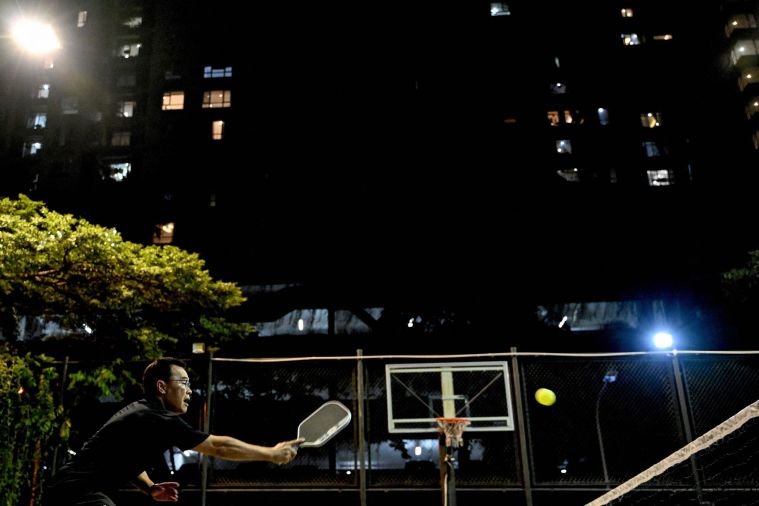
Caption: A pickleball court at night.
However, the sport’s explosive growth has also brought noise issues to the fore. In residential neighborhoods, the sharp “pop” of paddles striking plastic balls, often accompanied by cheers and shouting, can last from early morning until late at night, leaving nearby residents frustrated. According to Vietnamese state media, most noise complaints filed on Hanoi’s government noise-reporting platform are related to pickleball.
The potential health impact of prolonged noise exposure has also drawn attention from the medical community. Vietnamese experts note that pickleball produces louder, higher-pitched sounds than tennis or badminton. The constant popping noise can be more than just annoying; it may gradually increase stress levels, disrupt sleep, and raise the risk of cardiovascular problems.
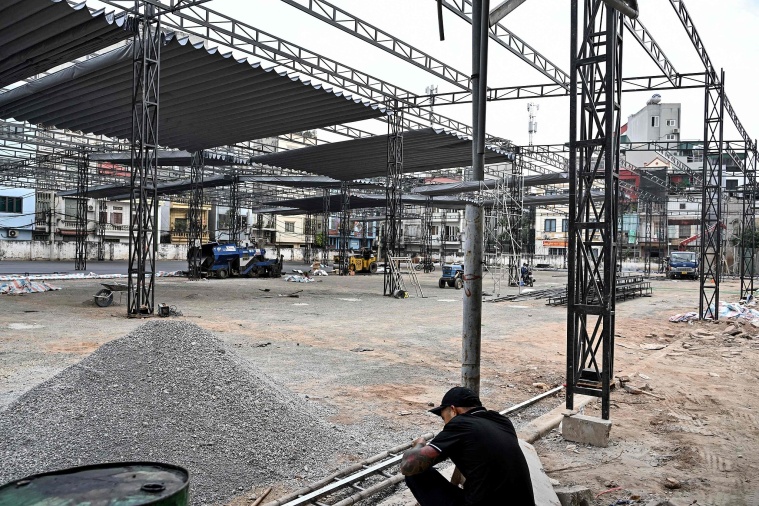
Caption: A pickleball court under construction
As noise concerns continue to grow, some courts have begun installing sound barriers. However, many small courts located in residential areas face tight space and budget constraints, making effective soundproofing difficult. Some pickleball clubs have also voluntarily introduced “quiet hours,” limiting play at night.
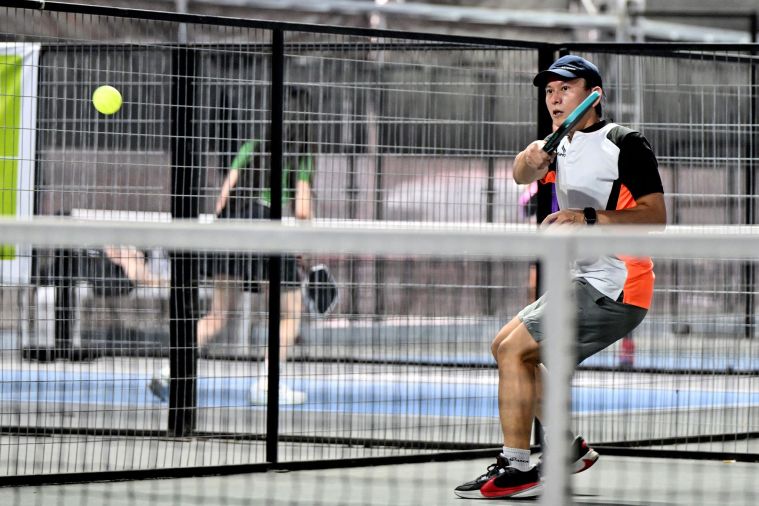
Meanwhile, authorities in several parts of Vietnam are exploring solutions such as restricting operating hours, switching to quieter paddles and enclosures, and relocating courts to public sports facilities. The goal is to preserve the city’s growing enthusiasm for the sport while restoring peaceful nights for residents. Pickleball and community life need not be at odds—through negotiated rules and improved public governance, a path toward harmonious coexistence may yet emerge.