Jakarta’s Waste Crisis Worsens as Overloaded Landfill Raises Safety Concerns
In Depok, West Java Province, Indonesia, heavy machinery has been operating continuously at the Cipayung landfill in recent days, attempting to level mountains of accumulated waste.
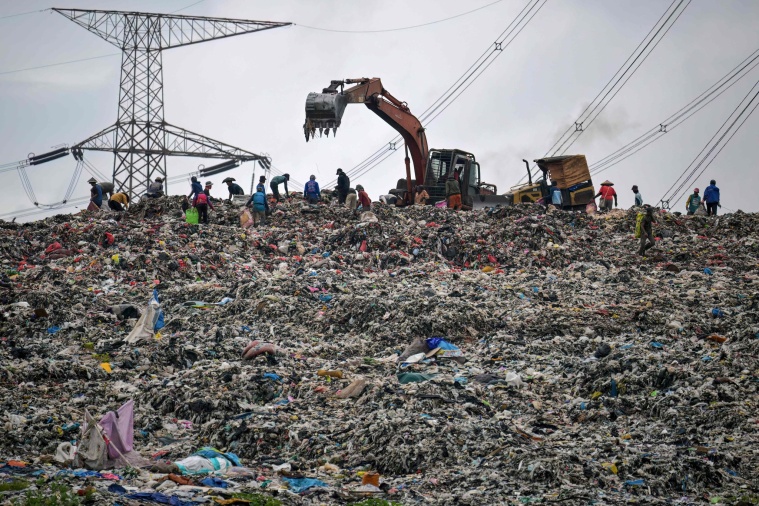
However, as the volume of urban garbage keeps rising, the landfill is facing growing operational pressure. Frequent garbage slides have begun to threaten the surrounding environment and the normal functioning of the city.
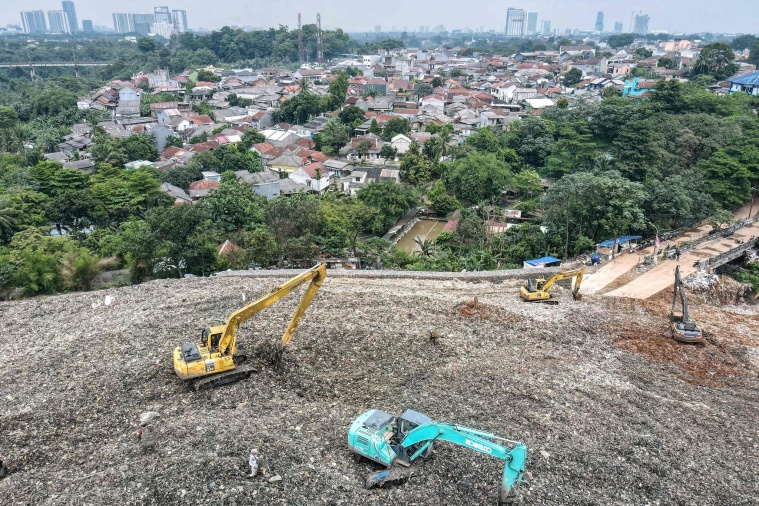
As one of the main waste disposal facilities serving the Jakarta metropolitan area, the Cipayung landfill has long been running beyond capacity. The structure of the waste piles is highly unstable, and during the rainy season, heavy rainfall makes collapses more likely.
Some of the fallen waste is washed into nearby rivers by rainwater and may eventually flow toward the outskirts of Jakarta, causing water pollution and blocking the urban drainage system.
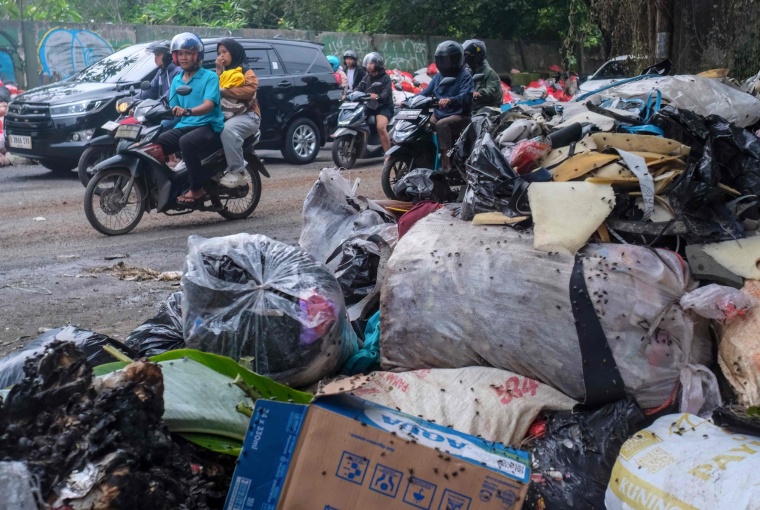
The Greater Jakarta area generates a huge amount of household waste every day, but disposal capacity has not kept pace. Accumulating street garbage, shrinking landfill space, and the risk of pile collapse have become real challenges for this densely populated metropolitan region.
Although temporary measures such as mechanical leveling and reinforcement of waste piles have been taken, experts say that relying solely on landfilling cannot fundamentally resolve the crisis.
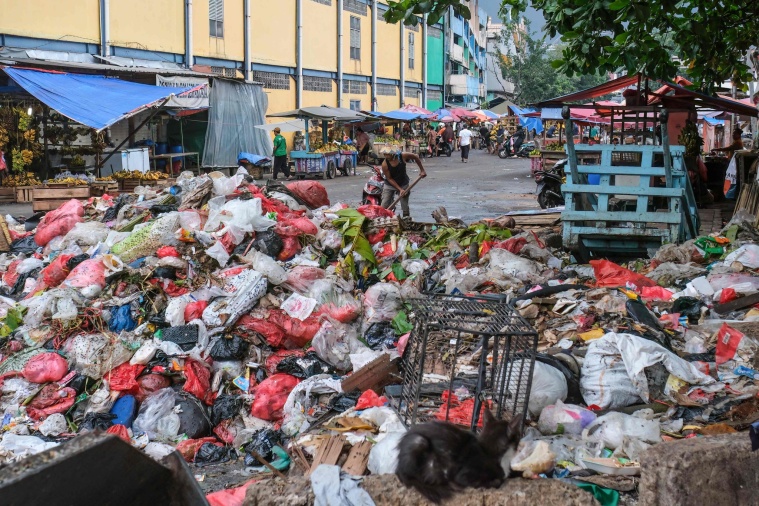
Environmental research organizations have previously warned that if the waste management system is not upgraded in time, and if comprehensive measures such as source separation, recycling, and waste reduction are not implemented, safety risks at landfills will continue to grow.
Under extreme weather conditions, the impact on urban infrastructure could be severe.
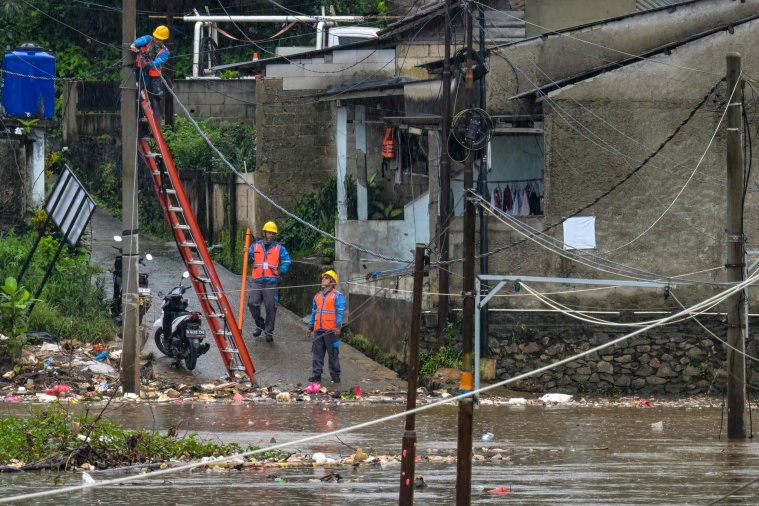
With the rainy season approaching, how to effectively prevent landfill slides and control the spread of pollution has become an urgent issue in Jakarta’s urban governance. Industry experts are calling for faster transformation of the waste treatment system, saying this is the only long-term solution to ease the mounting pressure.