In Southern Thailand, Traditional Wooden Boatbuilding Endures
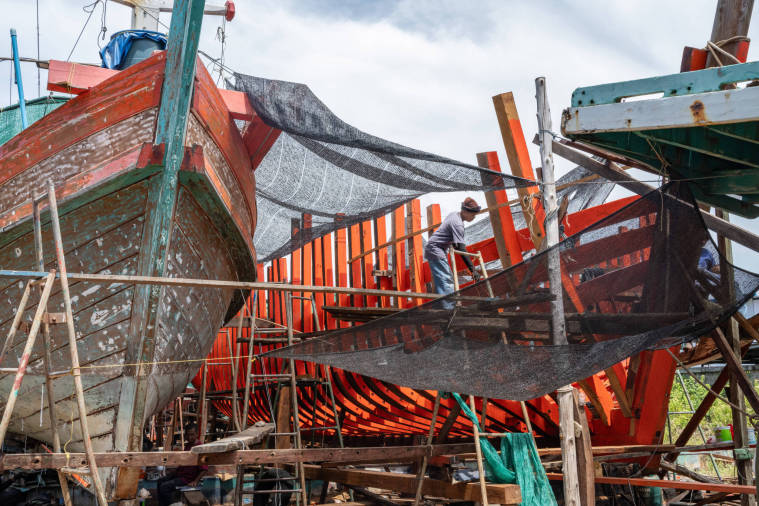
Inside a traditional boatyard in southern Thailand, the skeleton of an unfinished wooden fishing boat is already taking shape. Between the exposed ribs of the hull, craftsmen work timber and fit planks, slowly transforming it into a vessel ready for the sea.
In an age of modern shipbuilding materials and techniques, this yard still builds and repairs traditional fishing boats from wood.
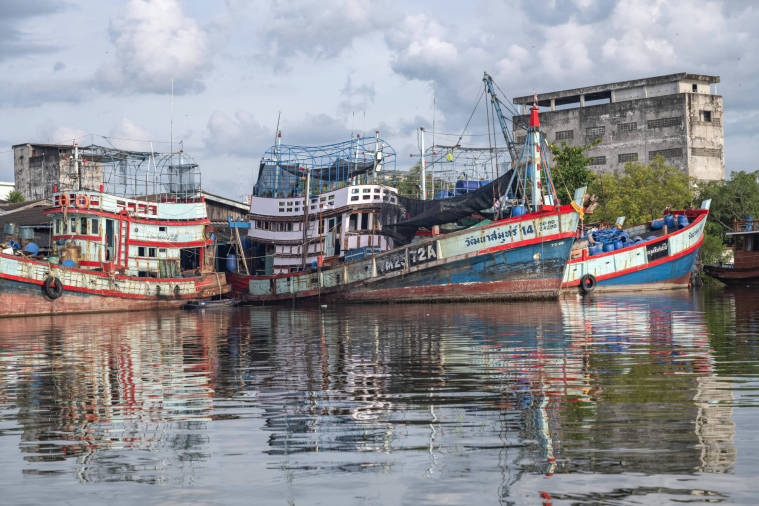
Southern Thailand has a long coastline, and many coastal communities have relied on fishing and related trades for generations. For local fishermen, a boat is both transport and a tool of the trade. Traditional boatyards have thus persisted in coastal communities, building new vessels and servicing those that have seen years of use.
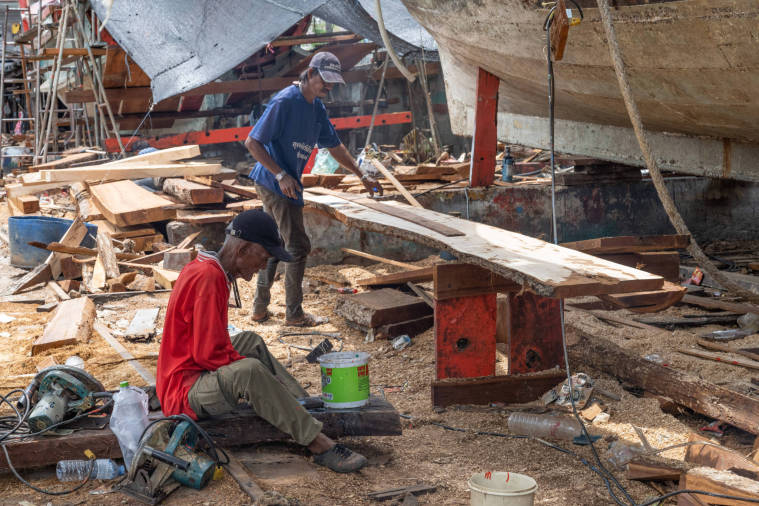
Building a traditional wooden boat requires extensive manual work. From selecting and processing timber to erecting the hull frame, fitting planks, and finishing and reinforcing the structure, many steps depend on the accumulated experience of skilled craftsmen. Hull dimensions and structure must also account for local sea conditions and fishermen's operational needs.
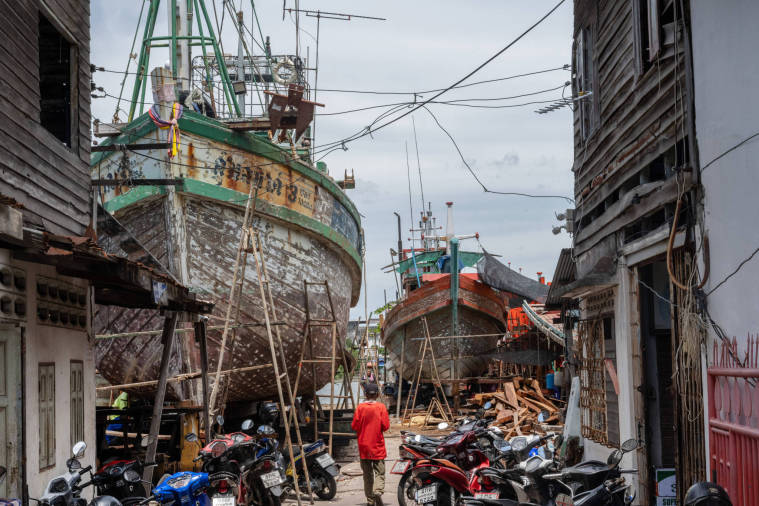
Today, the cost of timber and labor, along with the rise of modern shipbuilding methods, are reshaping the traditional wooden boat industry. But in some coastal areas of southern Thailand, wooden fishing boats still serve the local fishery, and traditional yards continue to build and repair them.
At one end lies the carpenter in the yard; at the other, the fisherman at sea. As long as there are those who need to go to sea in a wooden boat, a craft that has endured in coastal communities for generations still has a practical place in the world.